
How to Plan a Wedding From Start to Finish
Location: Houston TX
BLOG POST


Planning a wedding is one of the most exciting chapters of your life—but it can also feel overwhelming. Between choosing the perfect venue, setting a realistic budget, hiring trusted vendors, and organizing hundreds of small details, it's easy to wonder where to begin.
The good news? You don't have to figure it all out on your own.
Whether you're planning an intimate backyard ceremony, a luxury ballroom reception, or a destination wedding, this comprehensive guide will walk you through every stage of the wedding planning process. From your engagement to your honeymoon, you'll learn exactly how to plan a wedding from start to finish while avoiding common mistakes that cost couples time, money, and unnecessary stress.
At Long Asset Films, we've documented countless weddings throughout Houston and beyond. We've seen firsthand what makes a wedding day flow effortlessly—and what planning decisions often create avoidable problems. This guide combines industry experience with practical advice to help you create a wedding that's beautiful, organized, and uniquely yours.
Step 10: Begin Researching Wedding Venues

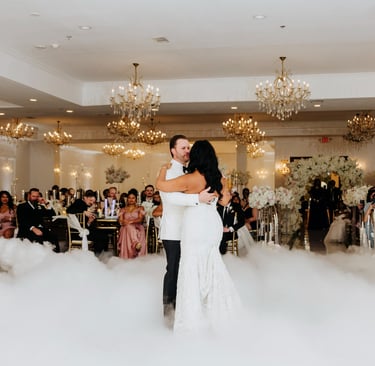
If you're planning a Houston wedding and are searching for a team that captures authentic moments with cinematic storytelling, Long Asset Films would be honored to help preserve your day with timeless wedding photography and videography.
Why Having a Wedding Planning Timeline Matters


Many couples underestimate just how many moving pieces go into planning a wedding. Booking a venue, hiring photographers and videographers, selecting florals, arranging transportation, sending invitations, and finalizing timelines all happen over several months—not just a few weeks before the big day.
A structured wedding planning timeline helps you:
Stay organized from engagement to wedding day
Spread expenses over several months
Book popular vendors before they're fully reserved
Avoid last-minute stress
Enjoy your engagement instead of feeling overwhelmed
Remember, there isn't a single "correct" way to plan a wedding. Every couple has different priorities, traditions, and budgets. Think of this guide as a flexible roadmap rather than a strict set of rules.
Step 1: Create a Wedding Planning Checklist


Before you book anything or spend a dollar, create a master wedding planning checklist.
Your checklist becomes the foundation of your planning journey, helping you track deadlines, appointments, vendor payments, and important milestones.
A complete wedding planning checklist typically includes:
Budget planning
Guest list creation
Venue research
Vendor bookings
Wedding attire
Invitations
Marriage license
Seating chart
Wedding day timeline
Honeymoon planning
Breaking the process into manageable tasks prevents the feeling of being overwhelmed and helps you celebrate small victories along the way.
Pro Tip
Use a digital checklist that syncs across your phone and computer. This allows both partners to stay updated and assign responsibilities throughout the planning process.
Step 2: Organize Your Wedding Planning Tools


Organization is one of the biggest predictors of a stress-free wedding experience.
Create one central location for everything related to your wedding.
This may include:
A dedicated wedding email address
Cloud storage for contracts
Shared spreadsheets
Budget tracker
Vendor contact list
Inspiration boards
Planning calendar
Having one dedicated wedding email keeps vendor conversations separate from your personal inbox and makes it much easier to find contracts or important updates later.
Many couples also use project management apps, digital calendars, or wedding planning platforms to stay organized.
Step 3: Define Your Wedding Vision


Before touring venues or contacting vendors, take time to imagine what your perfect wedding actually looks like.
Ask yourselves questions such as:
Do we want a formal or relaxed celebration?
Indoor or outdoor ceremony?
Small intimate wedding or large celebration?
Traditional, modern, rustic, luxury, or destination style?
Daytime or evening wedding?
Local venue or travel destination?
Your answers will shape nearly every planning decision that follows.
Trying to plan without a clear vision often leads to conflicting ideas, unnecessary spending, and decision fatigue.
Instead of copying trends from social media, focus on creating a celebration that genuinely reflects your relationship.
Step 4: Gather Wedding Inspiration


Now comes one of the most enjoyable parts of wedding planning—collecting inspiration.
Browse wedding blogs, Pinterest, Instagram, magazines, and real wedding galleries to discover colors, décor ideas, floral arrangements, table settings, and ceremony styles you love.
Rather than saving hundreds of unrelated photos, look for consistent patterns.
Maybe you're drawn toward:
Elegant black-tie weddings
Romantic garden ceremonies
Modern minimalist designs
European-inspired architecture
Rustic barns
Coastal celebrations
Luxury ballroom receptions
Recognizing these patterns will help vendors understand your vision and make planning decisions much easier.
Don't Copy—Create
Inspiration should guide your creativity, not replace it.
Your wedding should tell your unique story rather than recreating someone else's Pinterest board.
Step 5: Decide What Matters Most


Every couple has different priorities.
Some dream of breathtaking photography.
Others care most about incredible food, live entertainment, luxury décor, or an unforgettable guest experience.
Sit down together and rank your top priorities.
Examples might include:
Photography & Videography
Venue
Food & Catering
Entertainment
Floral Design
Guest Experience
Wedding Dress
Décor
Transportation
Honeymoon
Once you know what's most important, you can confidently allocate your budget without overspending on areas that matter less.
This simple exercise also prevents disagreements later because both partners understand each other's expectations from the beginning.
Step 7: Build Your Guest List


One of the biggest factors affecting your wedding budget is your guest count.
Every additional guest increases costs for:
Catering
Seating
Rentals
Invitations
Favors
Bar service
Table décor
Begin by creating three categories:
Must Invite
Immediate family and closest friends.
Would Love to Invite
Extended family and close acquaintances.
If Budget Allows
Coworkers, distant relatives, and additional friends.
This approach makes it much easier to adjust your guest count if your budget changes later.
Remember, an intimate wedding can feel just as meaningful as a celebration with hundreds of guests.
Step 8: Consider Hiring a Wedding Planner


Not every couple hires a wedding planner—but many who do say it's one of the best investments they made.
Depending on your budget, you might hire:
Full-service planner
Partial planner
Month-of coordinator
Day-of coordinator
A professional planner can assist with:
Vendor recommendations
Budget management
Timeline creation
Design coordination
Contract review
Wedding day logistics
Problem solving
Even if you plan most of the wedding yourself, hiring a day-of coordinator allows you and your family to fully enjoy the celebration without managing vendors or troubleshooting unexpected issues.
Step 9: Choose Your Wedding Season and Potential Dates


Rather than selecting one exact date immediately, identify several possible wedding weekends.
This gives you flexibility while researching venue availability.
Consider factors such as:
Weather
Travel schedules
Holiday weekends
Peak wedding season pricing
Family availability
Vendor availability
In many areas, spring and fall remain the most popular wedding seasons, meaning venues and photographers often book 12–18 months in advance.
Being flexible with Fridays, Sundays, or off-season dates can often reduce overall wedding costs while increasing venue availability.
Now that you've established your budget, guest count, style, and preferred dates, you're finally ready to begin researching venues.
The venue becomes the foundation of your wedding because it influences nearly every other decision—including décor, catering, photography, guest capacity, transportation, and scheduling.
As you tour venues, pay attention to more than just appearance.
Ask questions about:
Guest capacity
Indoor backup options
Vendor policies
Parking
Accessibility
Rental hours
Noise restrictions
Included furniture
Dressing suites
Sunset timing
Photography opportunities
If possible, visit each venue around the same time your ceremony will take place. This gives you a realistic idea of natural lighting and helps your photographer and videographer plan the best locations for portraits and cinematic footage.
Coming Up Next
Now that you've built a strong planning foundation, it's time to start making your wedding official. In Part 2, we'll cover booking your venue, hiring your most important vendors, creating your wedding website, taking engagement photos, organizing hotel room blocks, and many other milestones that bring your vision to life.